
Pilot competency does not end with initial certification. In the aviation sector, safety and efficiency depend on a continuous process of skills revalidation. While the real aircraft has a role, the flight simulator has established itself as the indispensable tool to ensure crews maintain their mastery safely and cost-effectively.
Unlike initial training (which aims for license acquisition), recurrent training focuses on maintaining competency and the ability to handle any emergency scenario. In this context, Flight Simulators offer the perfect balance of fidelity, functionality, and operational cost.
Beyond initial certification: the scope of recurrent training
Recurrent training ensures pilot skills remain sharp and up-to-date. Modern programs are structured around several essential checks to maintain pilot competency. While the minimum number of hours for these checks is established by regulation, the specific credits (the amount of time the CAA allows to be completed in a simulator) depend heavily on the interpretation of the specific Civil Aviation Authority (CAA).
License Proficiency Checks (LPC)
Regulatory exams for license revalidation that validate the pilot’s basic competency to operate the aircraft.
Operator Proficiency Checks (OPC)
Specific checks by the airline or operator that measure pilot competency under the company’s internal procedures and standards.
Additional Training
Training that exceeds regulatory requirements to cover internal operating procedures, Threat and Error Management (TEM) training, or specific missions.

The critical role of FTDs in regulatory checks
Globally, FTDs are commonly used to cover some portion of the hours required for proficiency checks (LPC and OPC) and for additional training specific to the needs of the operator. This is not a strict replacement for flight hours, but an enhancement of training safety.
In entrol, our global experience allows us to assist operators in navigating and obtaining CAA credits, ensuring that every hour of simulation counts and training safety is maximized.
Why Flight Training Devices (FTDs) are optimal
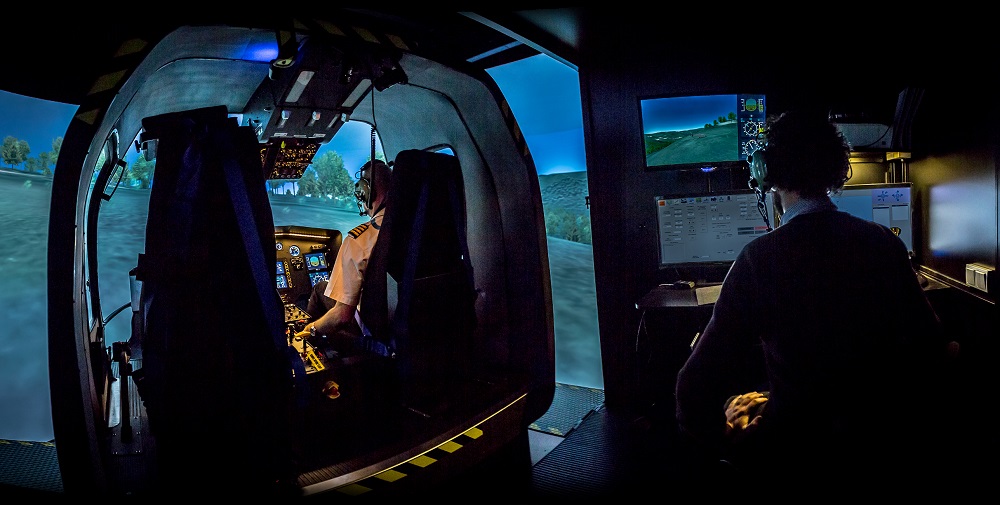
The FTD is positioned as the optimal tool for recurrent training because it offers functional fidelity without the cost and complexity of a full-motion system:
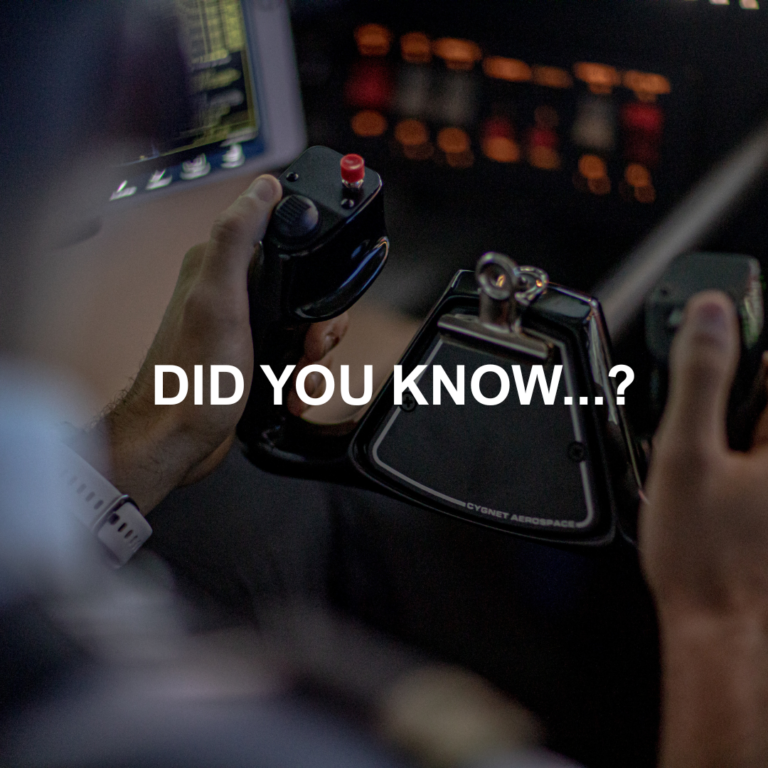
- Tactile fidelity (entrol technology): despite lacking motion, Entrol’s FTDs compensate with a latest-generation Control Loading System (CLS) and a powerful vibration system, replicating critical flight sensations with maximum precision.
- Faithful representation: FTDs are exact replicas of the client’s specific aircraft configuration, ensuring cockpit familiarity.
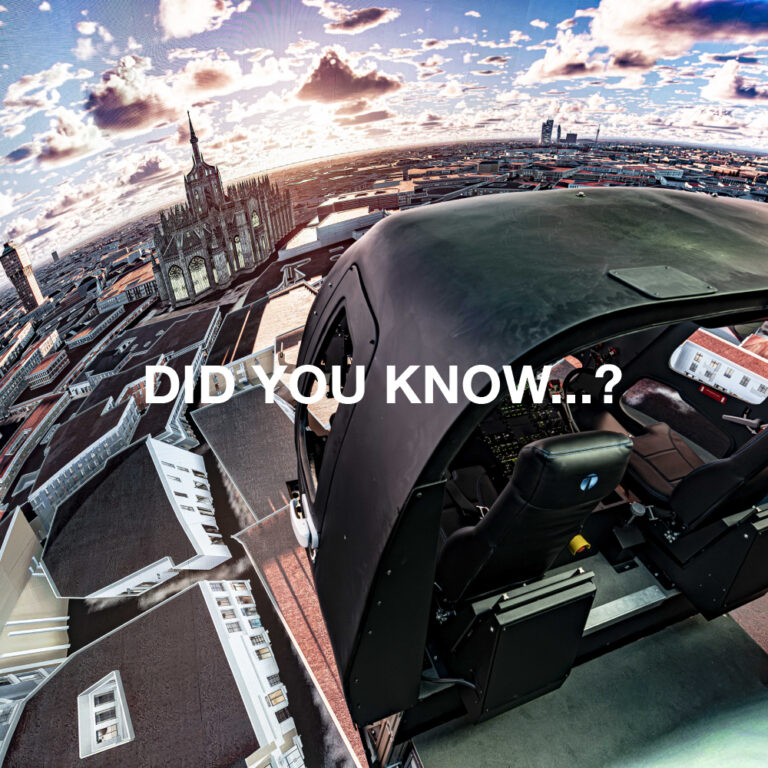
- Risk training (ENVISION Software): they allow the recreation of virtually impossible scenarios in the real aircraft (complex failures, extreme conditions). This is achieved thanks to visual databases like ENVISION by Entrol, which enable the instructor to create georeferenced scenarios and dynamic failures.
Ensuring proficiency and safety beyond the minimum
The true measure of success for a recurrent Aviation Training program is the crew’s safe performance in the real world.Investing in a Flight Training Device allows airlines and operators to move beyond simple compliance. It gives them the ability to focus on specific operational weaknesses and practice highly complex scenarios in a zero-risk environment. The flight simulator is, therefore, the key to maintaining continuous crew competency and ensuring maximum operational safety.
Discover how Entrol’s technology can transform your recurrent training program.